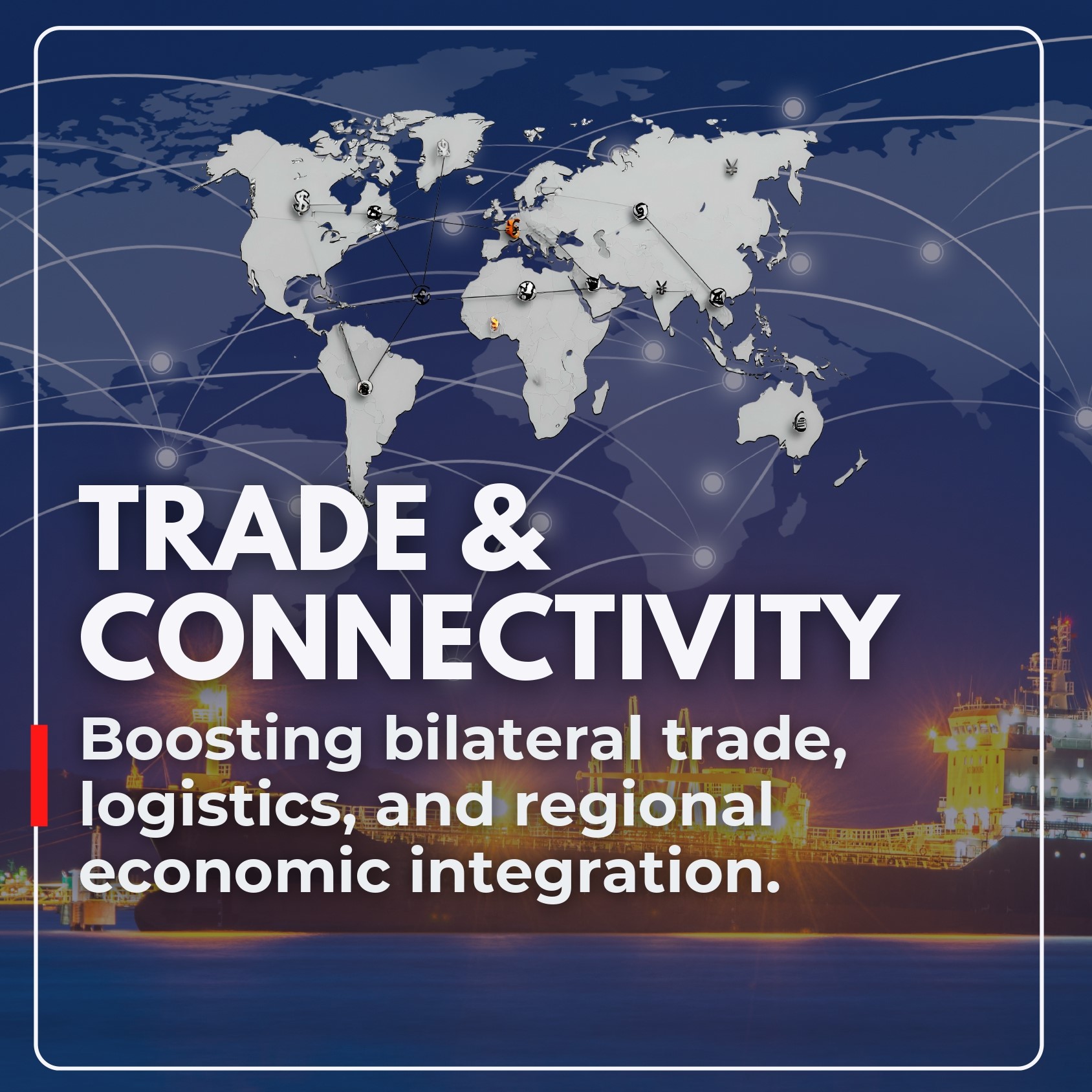
Trade and connectivity form another strong pillar. Business between India and Thailand has been expanding in multiple sectors from automobiles to gems and jewellery, pharma, food processing, and so many others. But the real boost is expected to come through better physical connectivity. The India–Myanmar–Thailand Trilateral Highway is something that could change the game. Once it becomes fully operational, India will be literally connected to Southeast Asia by road. Goods, services, travellers, students now everyone will move faster and cheaper. That kind of connectivity brings economic integration, and economic integration builds long-lasting interdependence.
This is what makes the partnership authentic. It is not only top level meetings. It is engineers, researchers, farmers and innovators working side by side. It is experts from Israel teaching water solutions in Indian villages. It is Indian talent contributing to Israeli research labs. It is real lives connecting, not only officials signing documents.
Culture, of course, continues to play its own role quietly. Indians often feel a strange familiarity in Thailand, the gestures, the respect for elders, even certain festivals feel like home. In the same way, Thai presence in India is growing too, in cuisine, in tourism, and in academic exchange. Students are studying across borders, spiritual circuits linking Buddhist heritage sites are gaining attention, and artists are collaborating more often. When shared culture stays active, relationships don’t need to be forced, they happen on their own.
There’s also a very exciting and modern space where both countries are coming together on technology and digital innovation. India has achieved something quite remarkable in digital payments and public digital infrastructure. Thailand is keen to adopt and build on similar systems. Both countries are encouraging startups, cyber security collaborations, fintech partnerships and skill exchanges. Young entrepreneurs are discovering that they have common challenges and similar ambitions, and by working together, they can grow faster while making a real difference in people’s lives.
Another important aspect that is often overlooked is diplomacy within groups. India and Thailand don’t just talk to each other bilaterally. They meet each other at several multilateral forums too — BIMSTEC, IORA, ASEAN-led platforms and more. Whether it is disaster relief cooperation or regional economic connectivity, both countries participate actively and push for outcomes that benefit not just two nations but the entire region. The fact that both partners are present together in so many strategic tables adds consistency to the relationship.
So, when you look at everything together, you can see six strong drivers shaping this partnership — security cooperation, deep cultural ties, booming tourism, expanding connectivity and trade, growing collaboration in technology and innovation, and finally, people-to-people warmth that makes the relationship feel genuine. These aren’t temporary trends. They are strong forces pulling both countries closer in a natural way.
What makes this bond unique is that it is not built on fear or rivalry. Some countries grow close only because they are united against a common problem. But here, the motivation comes from shared opportunity, mutual respect and an understanding that both sides stand to gain. India and Thailand know they are stronger together. They believe in a region where prosperity isn’t limited to one corner but shared among neighbours. They believe cooperation leads to better security than confrontation. They believe development should be inclusive, not selective.
Right now, both nations are at a moment where they are rediscovering each other with fresh energy. India is looking more eastward than ever before, and Thailand sees India as a partner worth investing in. They are building modern ties on top of very old roots. They are trying to convert cultural familiarity into concrete partnerships. They are working for a future where their citizens benefit not just from trade, but from shared knowledge, better mobility and greater peace.
There is still so much potential waiting to unfold. Businesses can grow together in new sectors like green energy and healthcare. Students can exchange research and build shared talent networks. Tourism can expand beyond a few famous spots and include pilgrimage routes, eco-tourism and youth travel. And technology can help bind the future economies of both nations more tightly.
To put it simply, India and Thailand aren’t just neighbours on a map. They are partners writing a new story rooted in centuries of connection but turning boldly toward tomorrow. A story driven by people, ideas, security and innovation. A story designed to stand strong in a world that keeps changing faster than ever.