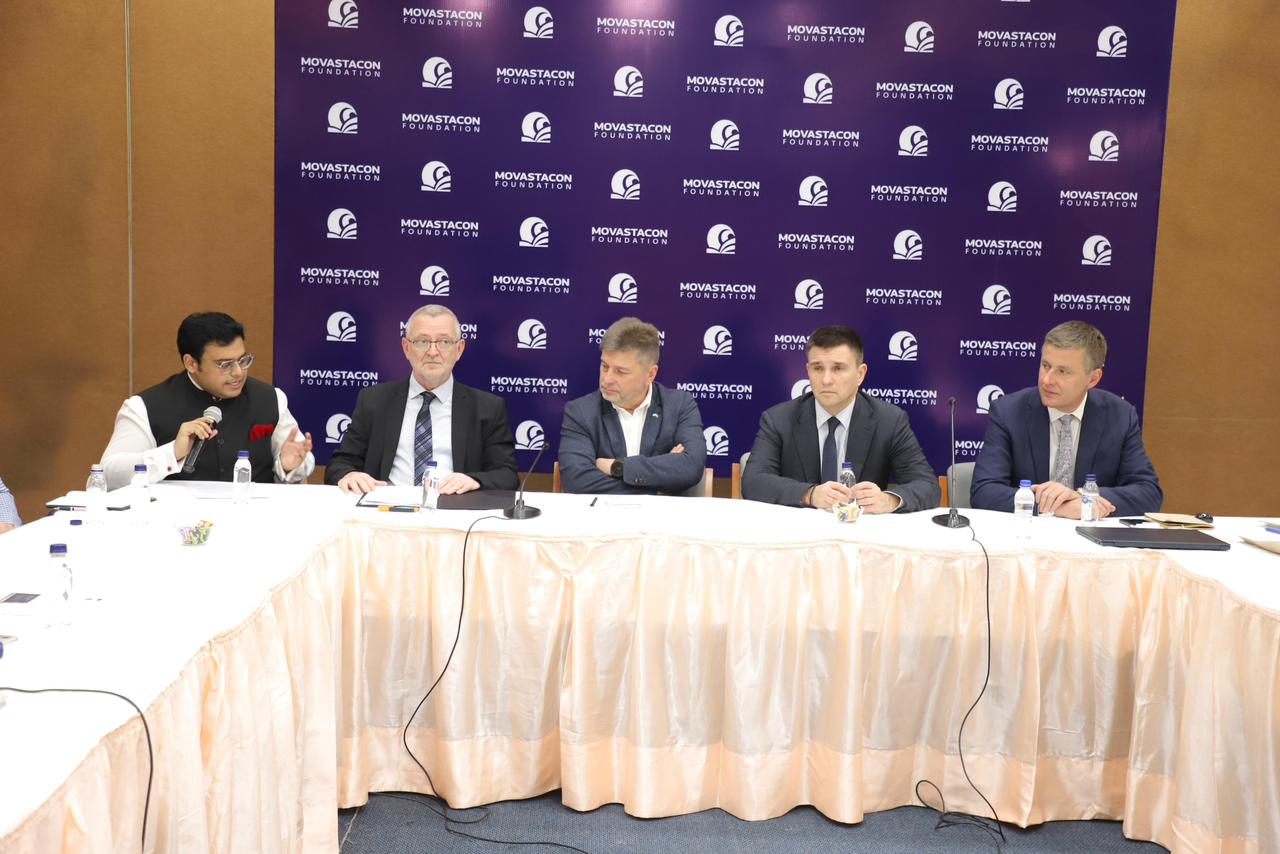
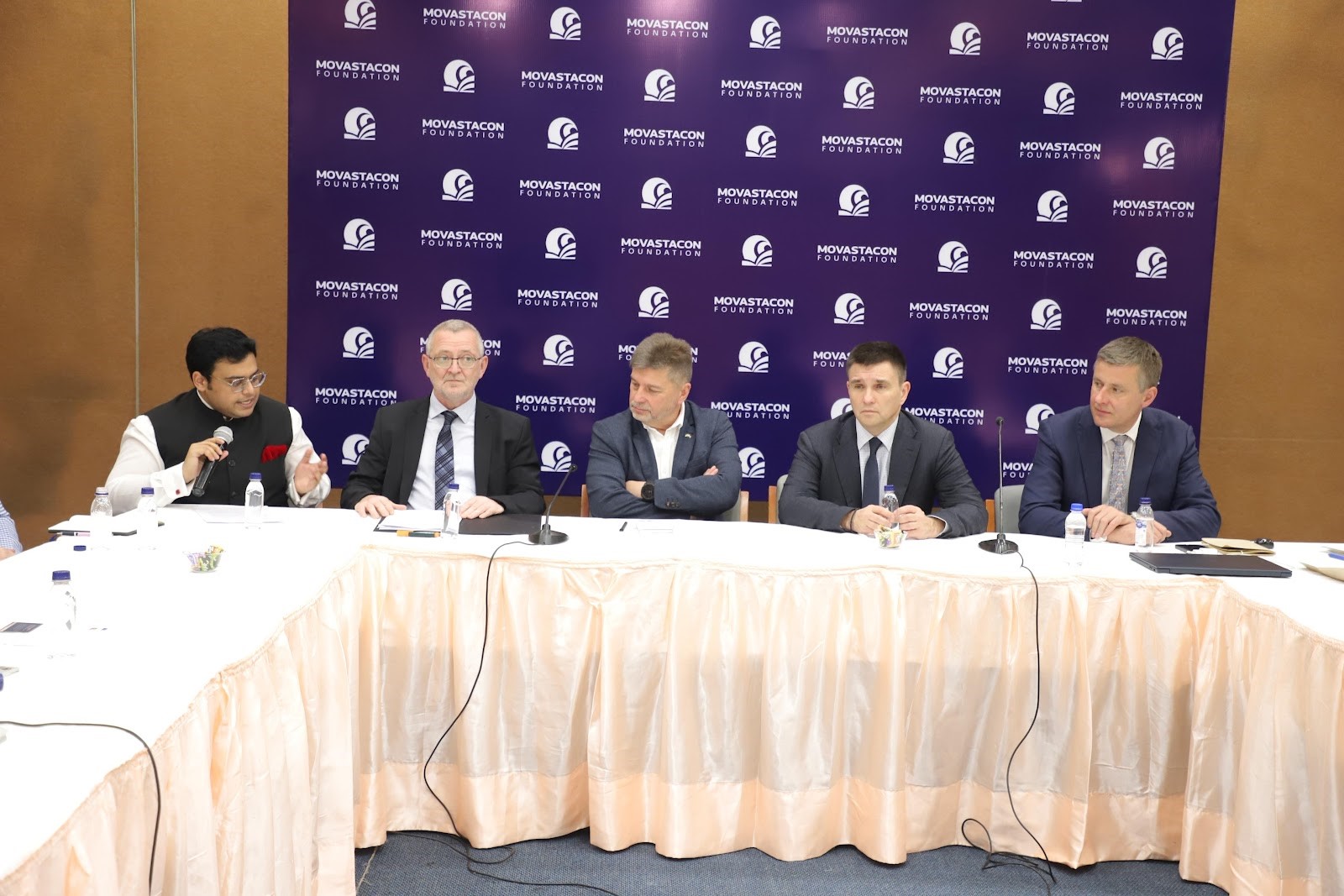
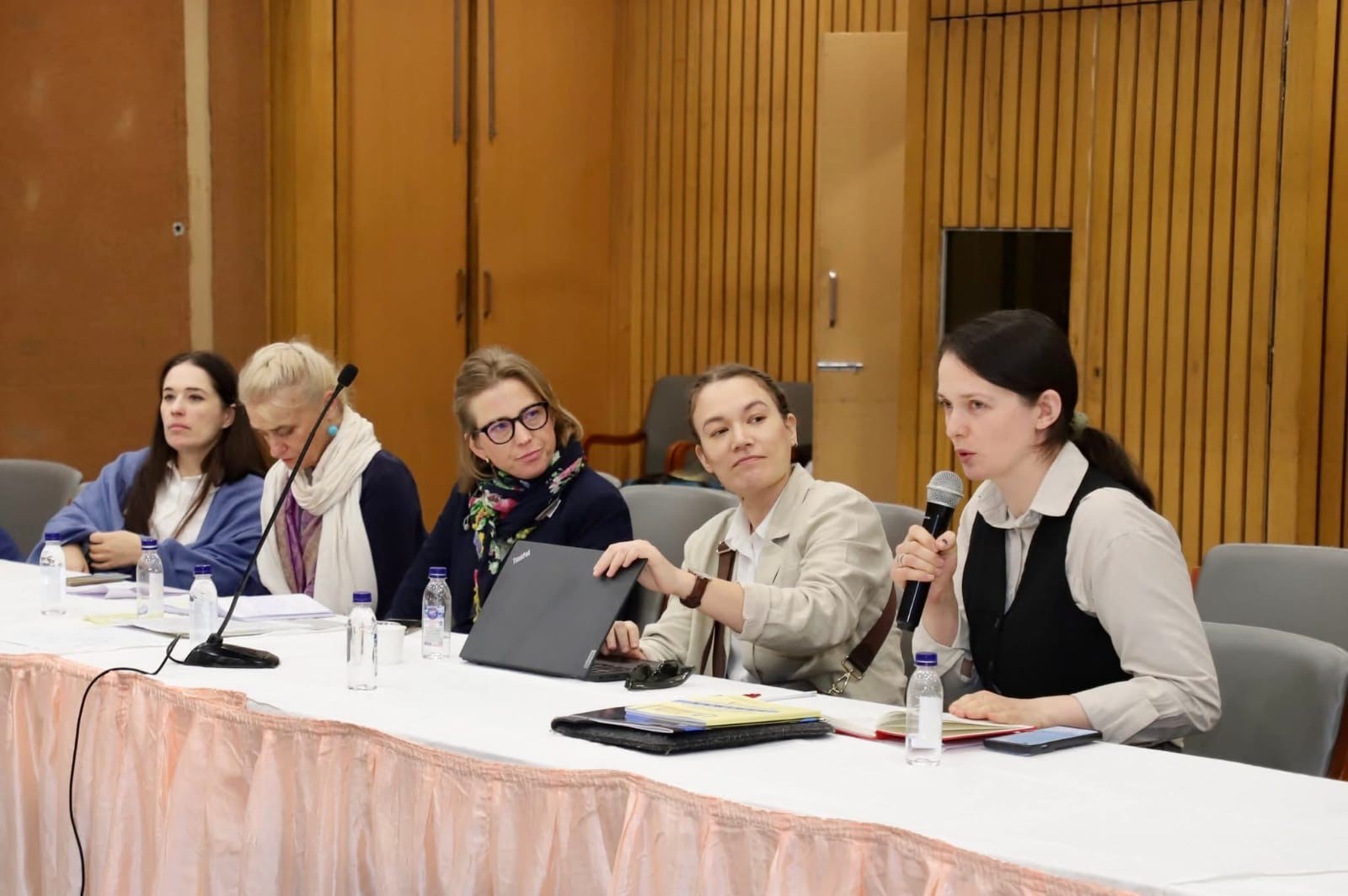
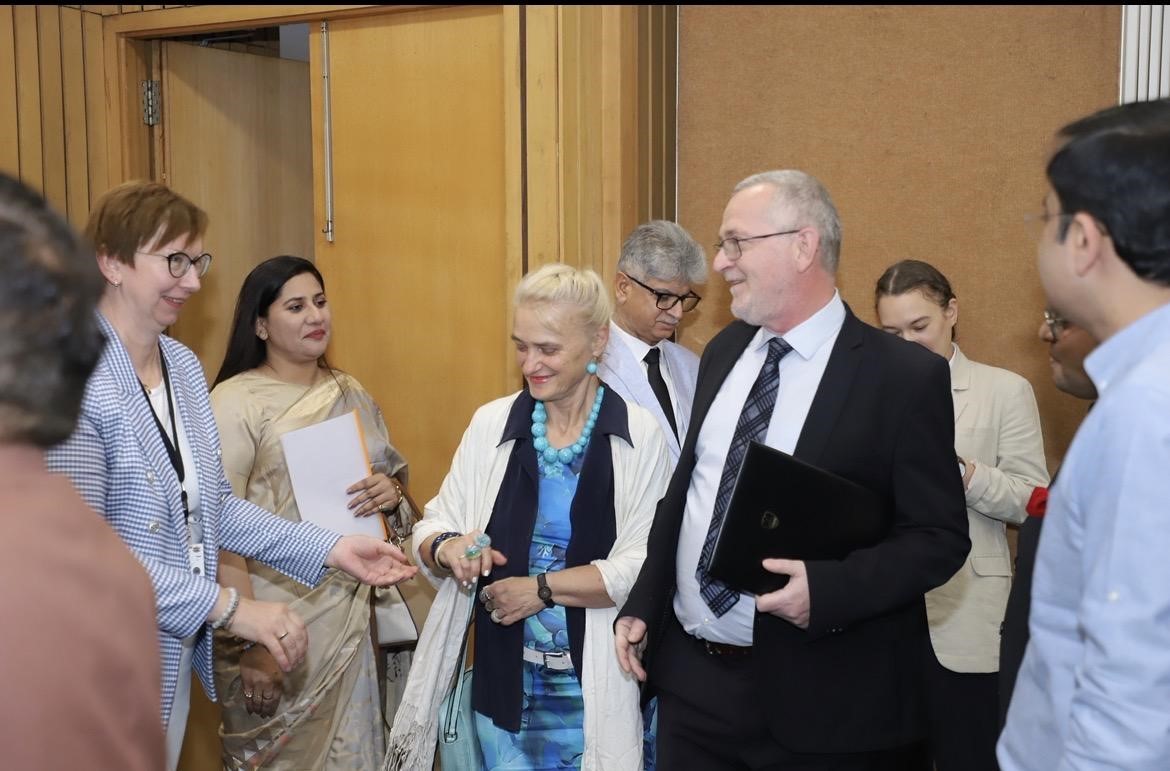
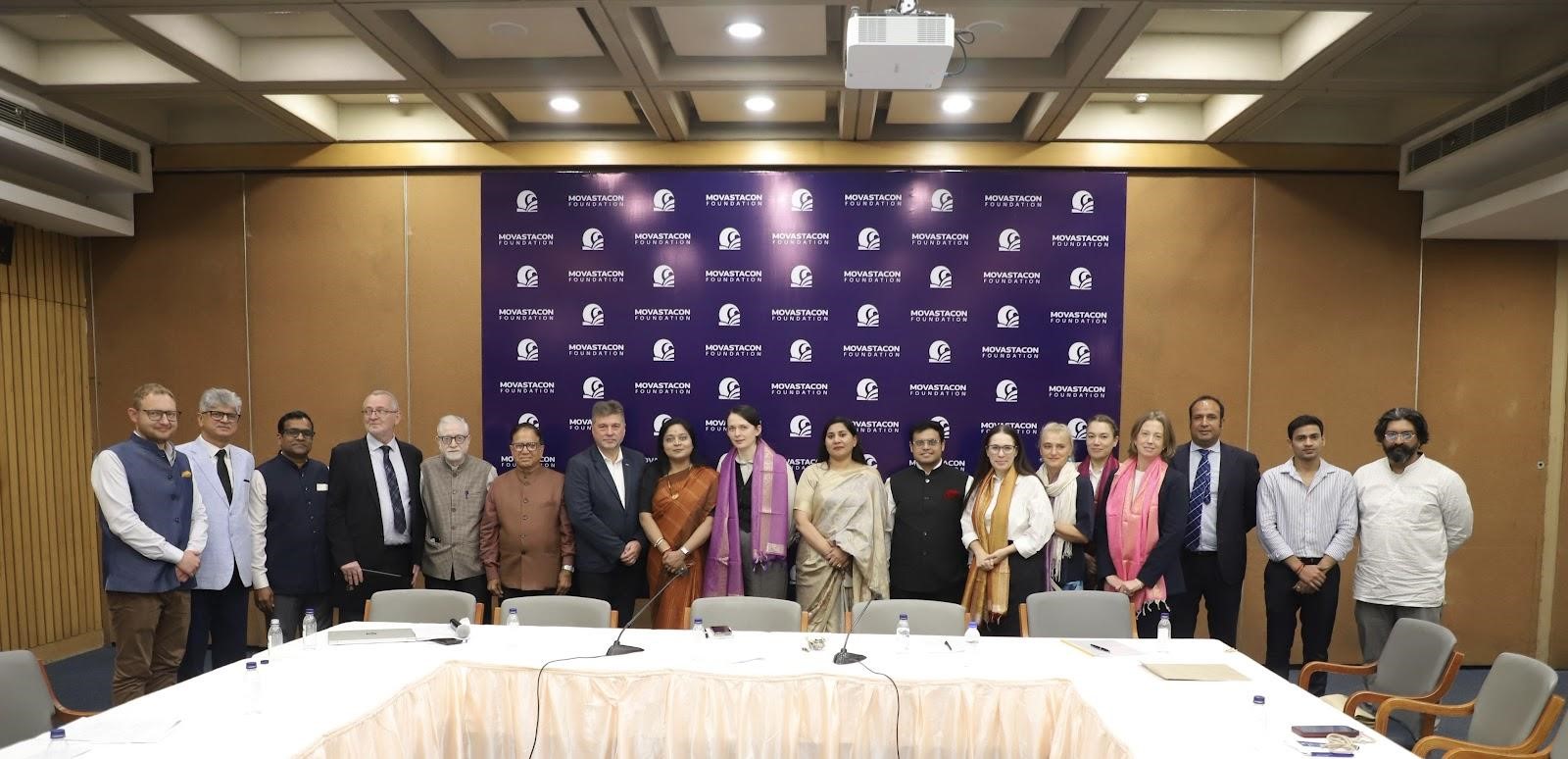
The Movastacon Foundation, through its strategic unit CHAIR (Centre for Harnessing Alliances in International Relations), convened a closed-door India–Europe Strategic Policy Roundtable on 5 March 2026 at the India International Centre, New Delhi. The roundtable brought together a distinguished group of policymakers, former ministers, diplomats, scholars, and strategic experts to deliberate on the evolving contours of India–Europe engagement in a rapidly changing global environment.
The discussion was held against the backdrop of continued geopolitical uncertainty. The ongoing conflict in Ukraine, instability across regions, and increasing strain on multilateral institutions have collectively contributed to a more fragmented global order. In this context, India’s engagement with Europe has gained renewed importance, particularly as both sides reassess their economic resilience, strategic priorities, and long-term partnerships.
Opening the session, Mr. Mohit Srivastava, Founder and President of Movastacon Foundation, highlighted that the global system has not transitioned into stability as anticipated in the post-pandemic period. Instead, overlapping crises—from geopolitical conflicts to disruptions in food, energy, and supply chains—continue to shape global realities. He emphasised that India–Europe relations must increasingly focus on building long-term cooperation frameworks grounded in shared capabilities, including capacity building, education, technology partnerships, and humanitarian engagement.
The keynote session featured Mr. Tomáš Petříček, former Foreign Minister of the Czech Republic, and Mr. Pavlo Klimkin, former Foreign Minister of Ukraine, both of whom offered valuable perspectives on Europe’s evolving strategic landscape.
Mr. Petříček reflected on Europe’s historical experiences and the importance of democratic values and political autonomy. He noted that as the global system becomes more complex and multipolar, there is a need to avoid rigid geopolitical divisions and instead foster stronger engagement with partners such as India. He also underlined the importance of advancing the India–EU Free Trade Agreement as a key enabler of deeper economic cooperation.
India – Europe Strategic Policy Roundtable
Opening and Context Setting
Mr. Klimkin spoke about the emerging multipolar order, noting that while power is becoming more distributed, the global system still lacks clear rules and institutional frameworks. He highlighted India’s policy of multi-alignment as a pragmatic approach that allows it to engage with diverse partners while maintaining strategic autonomy. He also emphasised that Ukraine’s future is closely linked with Europe, and that strengthening India–Ukraine ties would naturally contribute to broader India–Europe cooperation.
The first thematic session on India–Europe Strategic Convergences and Policy Pathways brought together a range of expert perspectives. Ambassador J. K. Tripathi, former Ambassador of India, highlighted India’s growing strategic role and its potential to act as a stable partner for Europe in an uncertain global environment. He emphasised the importance of supply chain resilience, manufacturing expansion, and human resource cooperation.
Mr. Ninand Sheth, journalist and television panelist, described India–Europe relations as a strategic confluence, noting complementarities between Europe’s technological strength and India’s economic growth trajectory. He also pointed to growing defence cooperation, including platforms such as the Dassault Rafale, as an area of continued engagement.
From a peacebuilding perspective, Dr. Jibecke Jönsson of the CMI – Martti Ahtisaari Peace Foundation highlighted the importance of pragmatic diplomacy and multi-level dialogue in addressing complex global challenges. She emphasised that Track 1.5 and Track 2 engagements play a critical role in complementing formal diplomatic processes.
Dr. Hanna Shelest, Director of Security Studies at Ukrainian Prism, provided the Ukrainian perspective, highlighting the country’s strategic trajectory toward European integration and its implications for broader partnerships. She noted the importance of exploring cooperation in areas such as energy security, defence technologies, and industrial collaboration.
Prof. (Dr.) Anshu Joshi from Jawaharlal Nehru University discussed the evolving nature of power in international relations, noting that economic, technological, and cultural dimensions now play a central role alongside traditional military considerations. She highlighted the complementary strengths of India and the European Union, particularly in the context of trade, innovation, and digital transformation.
Dr. Monica B. Sood, policy expert, emphasised that stability in a multipolar world will depend on responsible partnerships. She noted that India and Europe, as major democratic actors, have the potential to shape global governance and innovation frameworks in a meaningful way.
The second thematic session focused on India–Ukraine Relations: Building a Long-Term and Practical Partnership. Ambassador Achal Malhotra, former Indian Ambassador, provided a historical overview of India–Ukraine relations, noting that while the relationship has remained stable, economic engagement remains below its full potential.
Ms. Susanna Leppäkorpi from CMI highlighted the importance of incorporating Ukrainian perspectives into broader discussions and emphasised the need for continued focus on reconstruction and economic cooperation.
Ms. Olha Vorozhbyt, affiliated expert at Ukrainian Prism, spoke about the importance of building deeper intellectual and institutional linkages. She highlighted historical connections and recent developments, including agreements signed during Prime Minister Narendra Modi’s visit to Ukraine.
The session also featured remarks by H.E. Mr. Tomaz Mencin, Ambassador of the Republic of Slovenia to India, who emphasised the importance of strengthening India–EU economic ties, particularly through the Free Trade Agreement negotiations. He noted that despite complexities, there remains strong mutual interest in advancing cooperation.
H.E. Dr. Oleksandr Polishchuk, Ambassador of Ukraine to India, highlighted India’s growing global role and stressed the importance of developing clearer roadmaps to advance bilateral engagement. He pointed to opportunities across sectors such as agriculture, pharmaceuticals, metallurgy, and industrial production, as well as Ukraine’s technological advancements driven by recent challenges.
The roundtable concluded with remarks by Maj. Gen. Sanjay Soi (Retd.), Executive Director, CDAHSR, who emphasised the importance of diversifying partnerships and strengthening long-term cooperation frameworks. He noted that India’s engagement with Europe should expand beyond trade to include technology partnerships, defence collaboration, and capacity-building initiatives.
Overall, the roundtable provided a substantive platform for dialogue, bringing together diverse perspectives on the future of India–Europe relations. The discussions underscored the importance of sustained engagement, institutional collaboration, and practical cooperation in navigating an increasingly complex global landscape.
The insights from the roundtable will inform ongoing research and engagement by the Movastacon Foundation, contributing to policy-relevant dialogue and strengthening India’s partnerships with Europe and beyond.