It has been a turbulent stretch for South Asia. Not dramatic in one single moment, but in the way events have kept unfolding, one after another. The American withdrawal from Afghanistan, the economic troubles in Sri Lanka, the military takeover in Myanmar following the detention of Aung San Suu Kyi, and phases of unrest in Bangladesh have taken together, leaving behind a sense of a region still trying to steady itself. Somewhere within this larger picture sits Nepal. It may not look as intense at first glance, but the signals coming out of it are worth paying attention to.
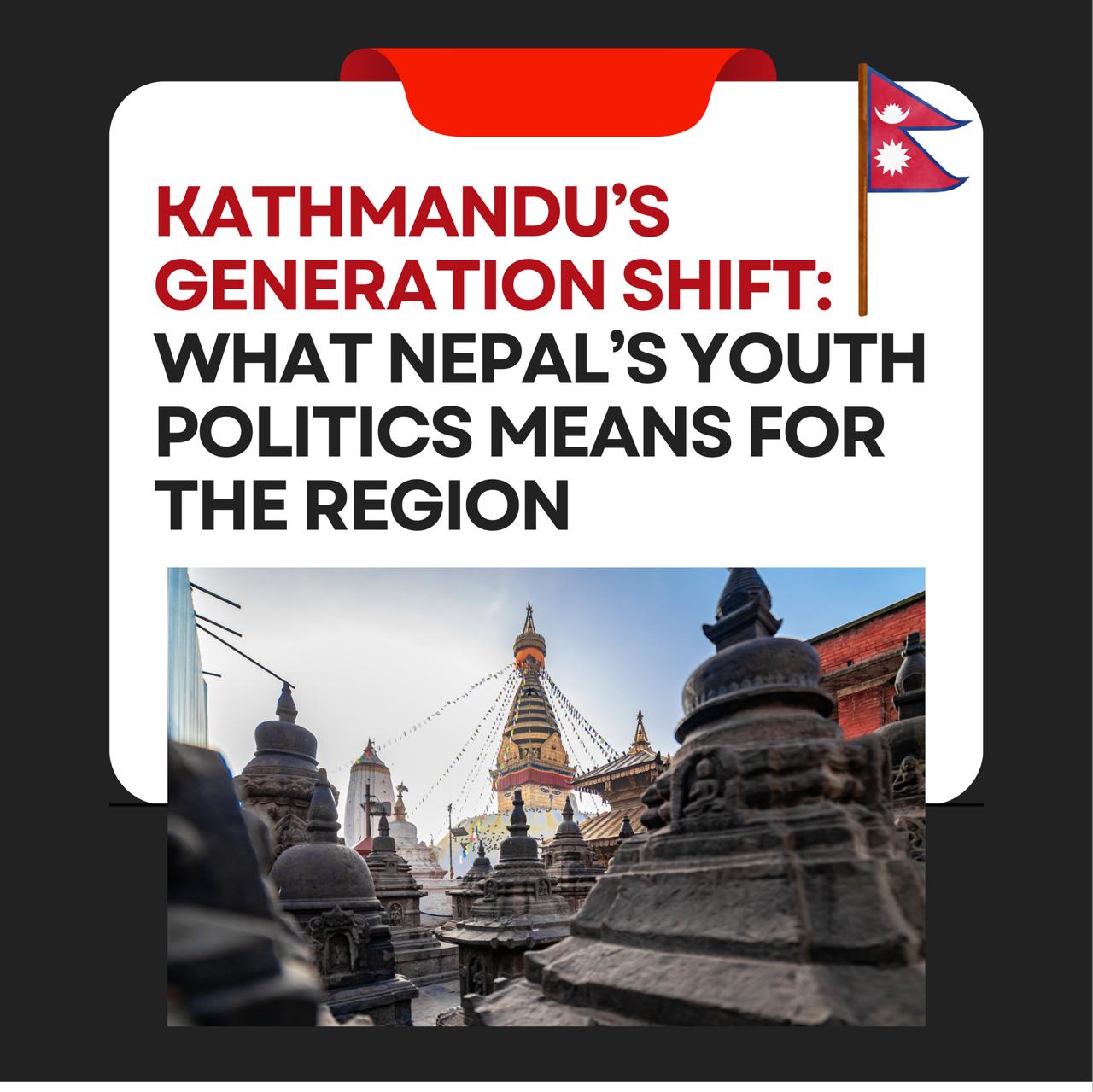
In Kathmandu, the recent protests have raised questions that go beyond the events themselves. Nepal is no stranger to public demonstrations, so the fact that people gathered is not unusual. What feels different, though, is the pace at which things moved and the kind of people who were at the centre of it. The crowd was younger. The reactions were quicker. There was less waiting around to see how things might unfold.
There has also been a fair bit of exaggeration around what happened, and that tends to blur the real picture. Protests did take place, especially after certain government decisions that were seen as restrictive in the digital space. Large scale institutional damage or targeted violence against political figures has been accounted for. The situation was tense at points, yes, but not something that suggested the system itself was collapsing. If anything, it revealed a slower, more underlying shift.
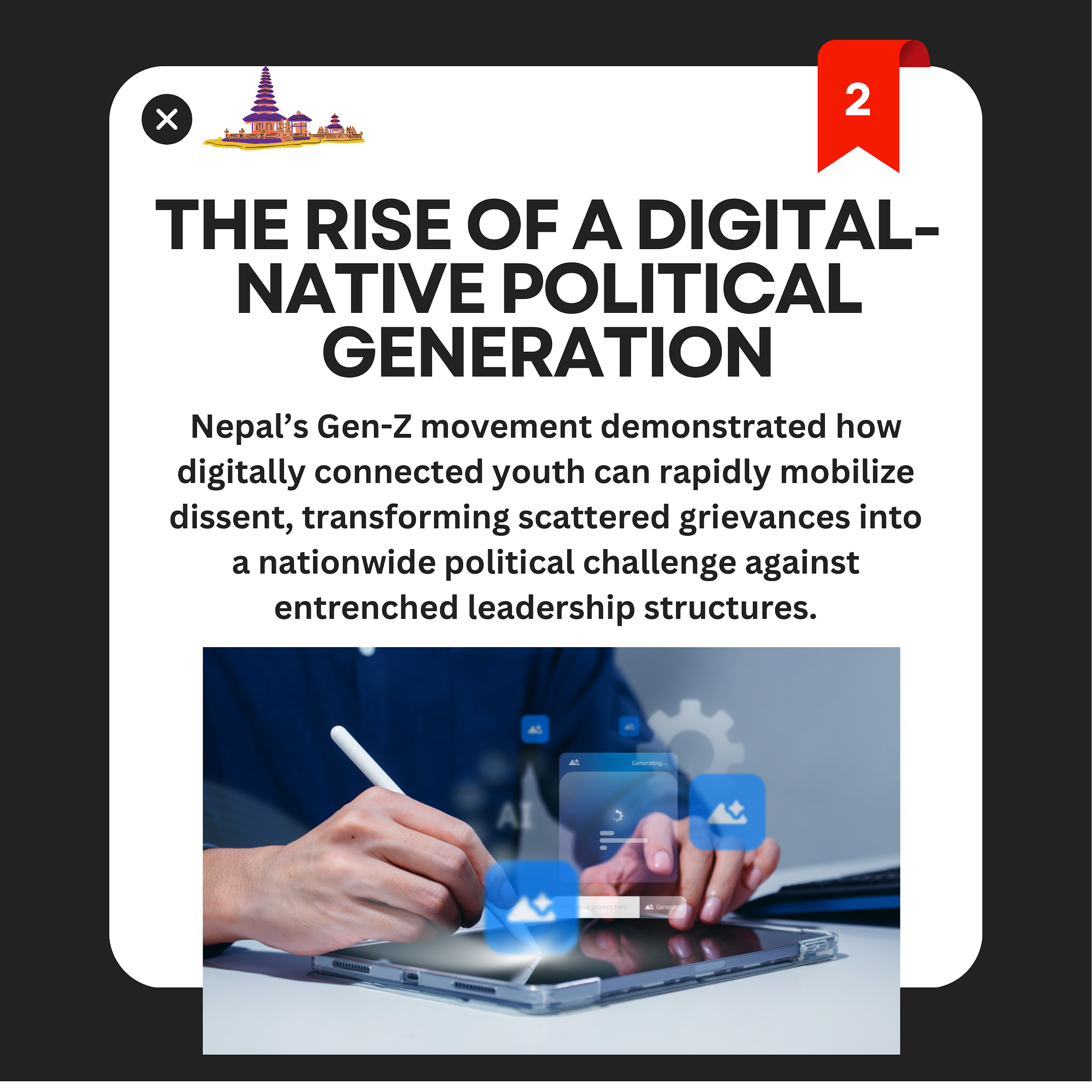
At the surface, the trigger seemed clear enough. Any attempt to limit expression, particularly online, is likely to draw a response now. For many young people, the digital space is not separate from their public life. It is where they speak, organise, argue, and sometimes even find their political voice. So when that space feels restricted, it doesn’t go unnoticed.